Drugstore and Cigarette Beetles
ID
3101-1526 (ENTO-488NP)
Introduction
Drugstore beetle (Stegobium paniceum) and cigarette beetle (Lasioderma serricorne) both belong in the family Anobiidae in the order Coleoptera.
These beetles resemble each other and are common pests of stored products.
Description
Both of these pests are small reddish-brown beetles. Their heads are tucked downward and backward to the extent that the head is not always visible when viewed from above. Both species measure about 2-3 mm (about 0.1 inch) long. The drugstore beetle is slightly larger, more elongated, and has distinctly grooved wing covers (Fig. 1). The cigarette beetle (Fig. 2) is more rounded with smooth wing covers. The antennae of the drugstore beetle form an elongated, 3-segmented club, whereas the antennae of the cigarette beetle are serrated, like a sawblade, along the entire length.
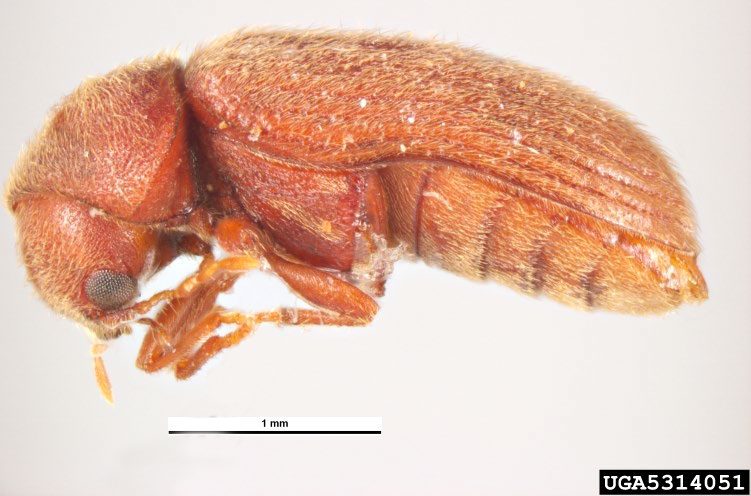
Figure 1. Drugstore beetle (Pest and Diseases Image Library, Bugwood.org).
Larvae of both drugstore and cigarette beetles are stout, off-white, C-shaped grubs with tan head capsules and three pairs of legs (Fig. 3). They are covered with pale hairs. The larvae are often overlooked in infested products.
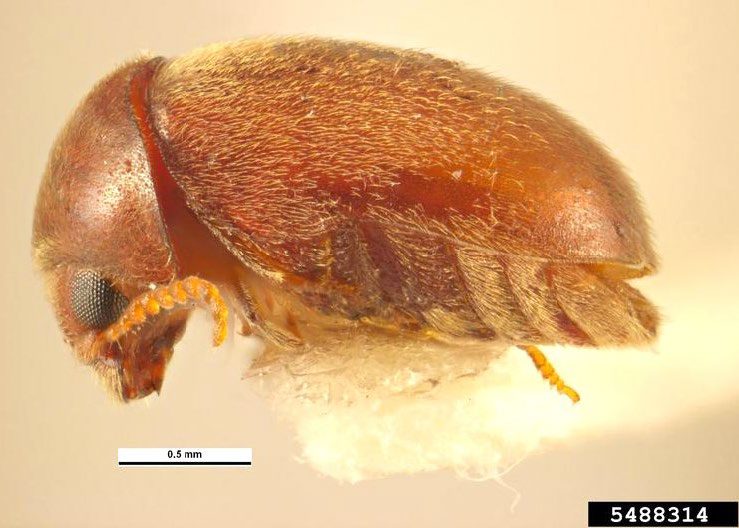
Figure 2. Cigarette beetle (Pest and Diseases Image Library, Bugwood.org).
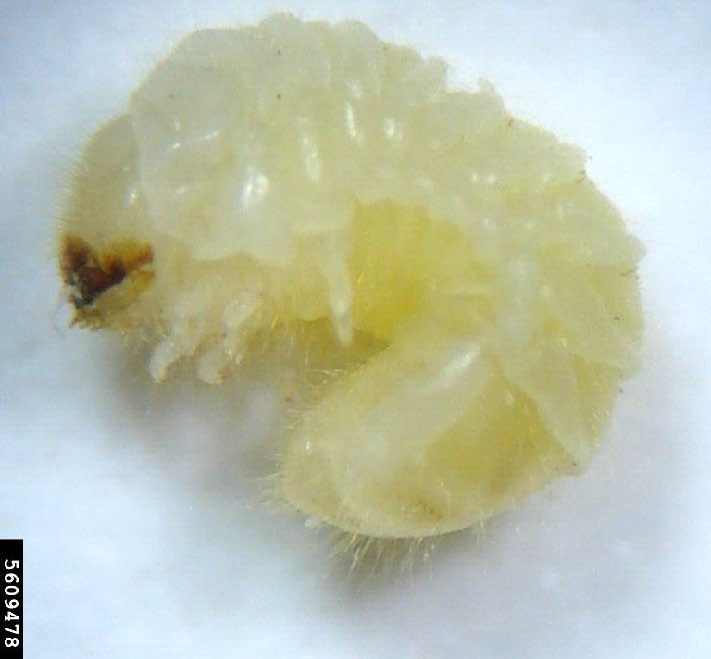
Figure 3. Drugstore beetle larva (Mohammed El Damir, Bugwood.org).
Habitat
Drugstore and cigarette beetles in houses are typically found in kitchens and pantries, or wherever dried foods and spices are kept. They may be found near birdseed or dry pet food kept in the garage.
They can be associated with mice nests in wall voids or attic spaces if the mice have cached food there. Drugstore and cigarette beetles often go unnoticed until large numbers of adult beetles appear at windows or seen flying around lights.
Life Cycle
Both drugstore and cigarette beetles have a complete life cycle of egg, larva, pupa, and adult stages.
Mated females lay eggs in or on the food source. The larvae tunnel through the food as they feed, then pupate. The time to develop from egg to adult is dependent on the quality of the food, the temperature, and the humidity level. Development is delayed at low moisture levels.
Distribution
Drugstore and cigarette beetles are cosmopolitan in association with humans.
Damage
The common name “drugstore beetle” reflects the species’ ability to consume medicinal drugs, while cigarette beetles attacked tobacco products.
However, both drugstore and cigarette beetles have a very wide host range and damage many kinds of dried plant and animal materials, including spices, flour, cereals, dog and cat food, tobacco, leather, wool, meal, grains, seeds, and dried fruits. In addition, they will tunnel through non-food material such as paper, fabric, and foil to get to a food source. They are said to feed "upon almost anything except cast iron.”
Control
Sanitation is key to the control of these pantry pests. Routinely clean cabinets and pantries to monitor for possible infestations. Dispose of any infested food sources. Use a vacuum cleaner to remove any life stages and spilled foods that support beetles hiding in cracks and crevices. Keep all stored products in airtight bags or sealable containers. Foods that are susceptible to infestation can also be stored in the freezer. Infested foods can be heat treated at 120º F for 1 hour to kill these beetles.
Revised
Theresa A. Dellinger, December 8, 2021.
Virginia Cooperative Extension materials are available for public use, reprint, or citation without further permission, provided the use includes credit to the author and to Virginia Cooperative Extension, Virginia Tech, and Virginia State University.
Virginia Cooperative Extension is a partnership of Virginia Tech, Virginia State University, the U.S. Department of Agriculture (USDA), and local governments, and is an equal opportunity employer. For the full non-discrimination statement, please visit ext.vt.edu/accessibility.
Publication Date
January 30, 2022